





Compactor Rollers
Showing the single result
-
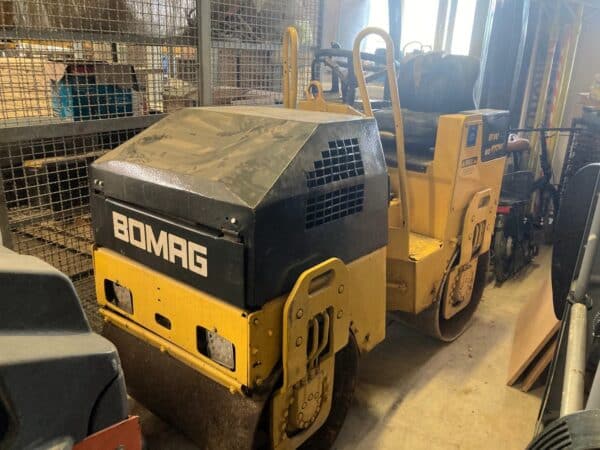
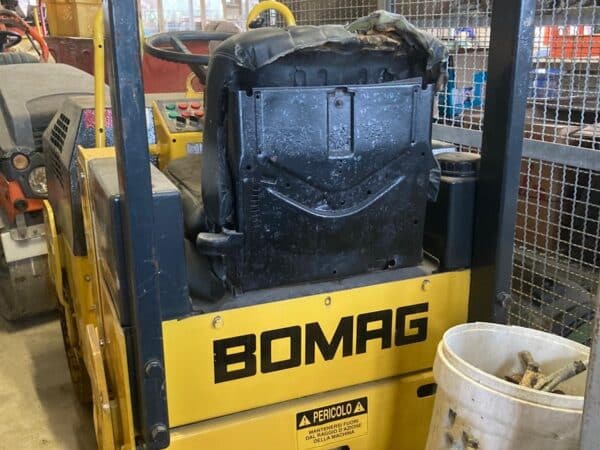
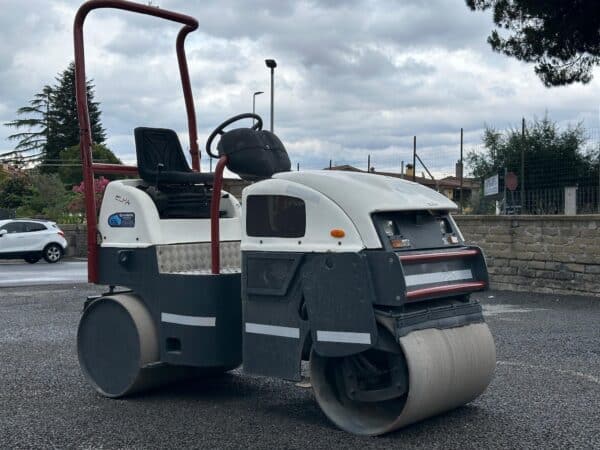
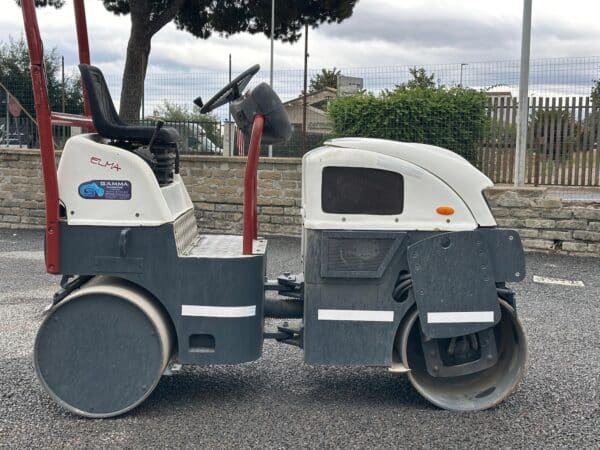
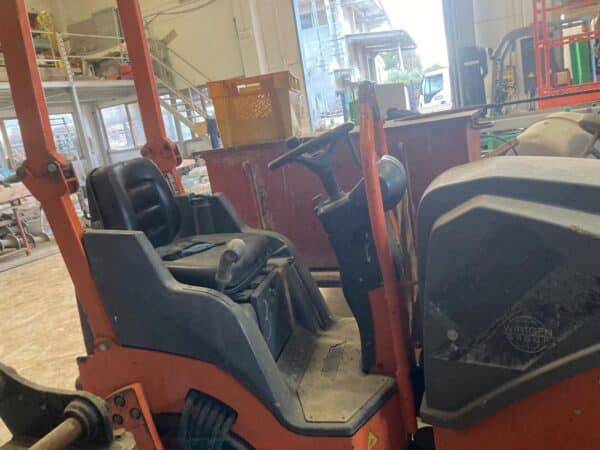
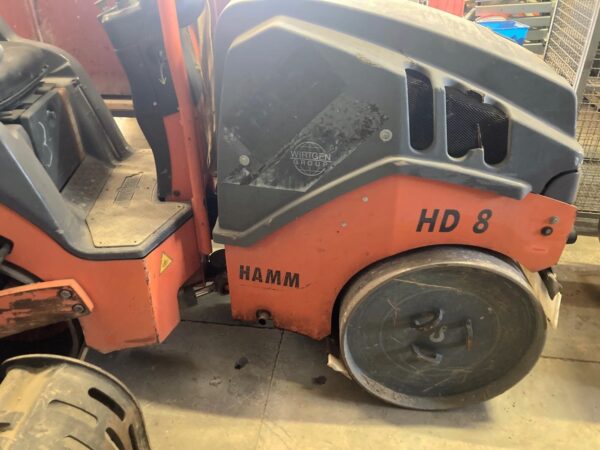
7.500,00 € VAT excl.LocationAnguillara SabaziaYear2001Working Hours1340Vibration typeSingle vibration
Showing the single result
Compactor Rollers: specialized machines for professional road work
Compactor rollers are specific machines for those who work on roads and large construction sites: before buying one, let’s talk about it.
They’re not common machines like loaders or excavators: they’re used for very specific work (compacting asphalt, soil, sub-bases)
and require operators who know how to use them well. If you’re looking for a roller, you probably already work in the road sector
or have an important construction site where proper compaction is needed. Our role is to help you understand what type of roller
you need (tandem for asphalt, single drum for soil, vibratory for difficult materials), whether new or used is better,
how many hours it has and what condition it’s in. We only handle rollers from known brands, inspected and ready to work.
Contact us to discuss it: we’ll ask you the right questions and propose what suits you.
Professional compactor rollers for road work and earthmoving
Compactor rollers are fundamental machines for road work and earthmoving,
used to ensure proper soil compaction, asphalt
and foundation layers. Thanks to the combined action of pressure and vibration,
they allow you to achieve stable, uniform and resistant surfaces, reducing the risk of settling
and deformation over time.
At DAMAC you’ll find a selection of new and used compactor rollers, chosen for reliability,
consistent performance and suitability for continuous professional use.
What compactor rollers are used for
Compactor rollers are used in all phases of surface preparation and finishing,
where uniform and controlled compaction is needed.
- construction and maintenance of roads and infrastructure
- compaction of soil and sub-bases
- laying and finishing asphalt
- earthmoving work and major projects
- preparation of yards and industrial areas
What types of compactor rollers we handle
DAMAC offers different types of compactor rollers to adapt to specific construction site needs.
Choosing the right type makes the difference between a job done well and one done poorly.
Tandem rollers
Ideal for asphalt compaction, tandem rollers guarantee uniform finishing
and high quality road surface. They’re the most used in paving work.
Single drum rollers
Suitable for compaction of soil and sub-bases, they offer high compaction force
and are suitable for ground preparation work before laying.
Pneumatic rollers
Used for finishing and consolidation work, they allow uniform distribution
of pressure, improving the final surface quality. Often used after tandem rollers.
Vibratory rollers
Equipped with vibration systems, they increase compaction effectiveness and reduce processing times,
especially on difficult materials or high thicknesses. Essential for large construction sites.
New or used: what’s best for your type of work
DAMAC handles new and used compactor rollers from reliable brands.
The choice between new and used depends on how much you’ll use it: if you work every day on road sites,
a new roller with warranty makes sense. If you use it occasionally or for smaller sites,
a well-maintained used one can be an excellent choice. Each machine is verified
and accompanied by complete documentation: working hours, maintenance done, drum condition and vibration system status.
What we verify before proposing a roller
Before proposing a compactor roller, we check: actual engine hours, drum condition (wear, dents),
vibration system operation (if present), hydraulic system integrity, general condition of cab and controls.
For rollers, drum wear is fundamental: if they’re too worn or dented, compaction won’t be uniform.
We always tell you the real condition, without hiding anything.
How to choose the right roller for your construction site
Choosing a compactor roller means understanding well what type of work you need to do.
Compacting finished asphalt? You need a tandem. Preparing sub-bases? Single drum. Working on difficult materials? Vibratory.
We help you understand which configuration you need, what operating weight suits you, whether a basic model is enough
or you need something more powerful. Let’s talk about it: tell us your type of construction site and we’ll direct you to the right solution.
Contact us to receive:
- evaluation of the type of roller most suitable for your specific work
- comparison between new and used solutions based on budget
- complete technical specifications with working hours and critical component status
- verification of available accessories and configurations
- support for transport and delivery to site
Why buy a compactor roller from DAMAC
Compactor rollers are significant investments and specialized machines: you don’t buy them every day.
When you’re looking for one, you need someone who knows these machines well, who knows which critical points to check,
who tells you the truth about the vehicle’s real condition. We’ve been working with rollers for years, we only handle serious brands,
we inspect each machine before proposing it, and we give you all the information you need to decide with peace of mind.
If you need assistance or guidance after purchase, we remain available.
Frequently asked questions about compactor rollers
Which roller do I need to compact asphalt?
For asphalt, tandem rollers work well, designed specifically for road surface compaction.
Sometimes pneumatic rollers are also used for final finishing. It depends on the type of work and standards required by specifications.
How do I know if a used roller is still good?
Check engine hours, drum condition and vibration system operation.
If the drums are very worn or dented, they don’t compact well and should be replaced (significant cost).
If the vibration system doesn’t work properly, compaction effectiveness drops considerably.
We give you all this information beforehand, so you know exactly what you’re buying.
How much does a compactor roller weigh and is anything special needed to transport it?
Compactor rollers weigh a lot: from 1-2 tons for the smallest to 10-15 tons for large ones.
You need a suitable car carrier or trailer to transport them. We arrange transport with suitable vehicles,
but you must have accessible space for unloading. If you have doubts, let’s talk about it before arranging delivery.